

Finance, manufacturing and energy are other among the fast developing spheres of the modern digital space that become more efficient, more secure, and more innovative with the assistance of AI. However, the data processing needs of the new AI applications like real-time fraud and predictive maintenance or smart grid operation require a new data processing performance and intelligent system design. This is the point where servers powered by AI with 8 GPUs are shifting the trend and can provide previously unheard-of amounts of density, efficiency and scalability to AI deployment on the enterprise level.

Ineffective Comparability of Density and Efficiency
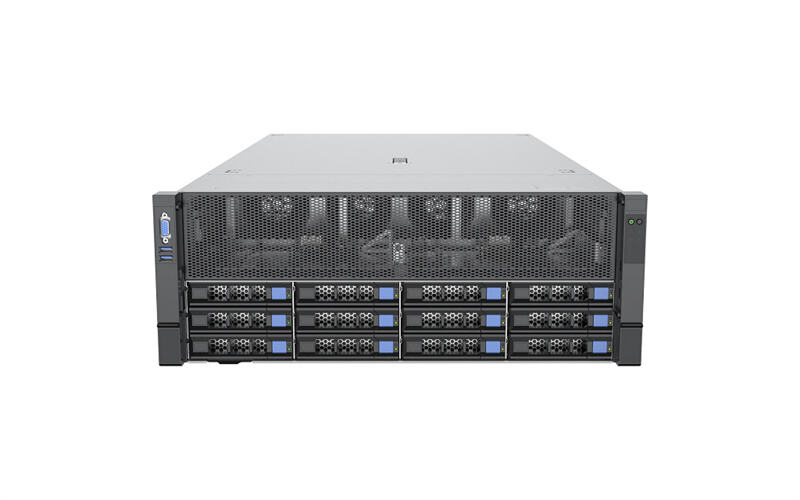
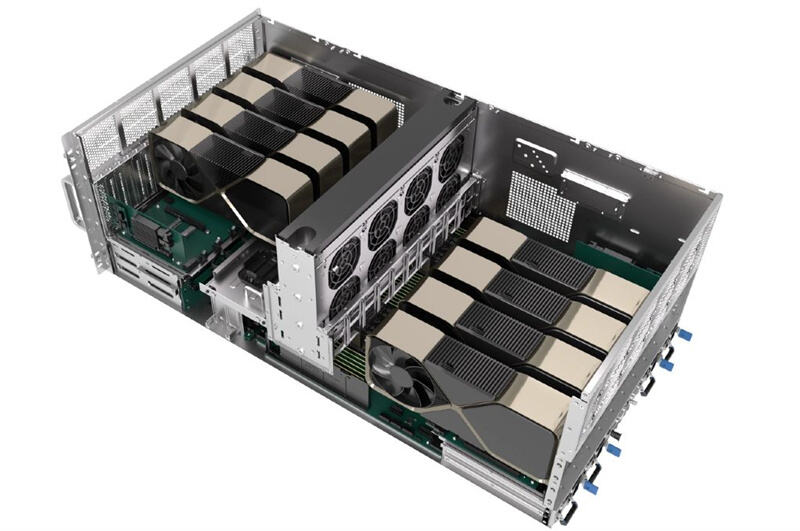
Trading performance vs. resource consumption is often not achievable by conventional server systems, especially when it comes to very complex AI workloads such as model training or inference workloads. 8-GPU AI servers are an answer to this because it enables a single node to be very large and manageable. These servers are superior since it can work faster and reduce the latency of the information to a big extent by containing eight high-performance GPUs in a single system. Such density is particularly relevant to such areas of application as finance, where milliseconds can be counted in algorithmic traading, or manufacturing, where real-time analytics that are supported by IoT requests can be calculated on a case-by-case basis.
Using precision to scale AI Workloads
Besides crude power, 8-gpu servers may be applied to handle workloads in a sophisticated orchestration and scale out. Now there is an opportunity to implement several AI activities simultaneously, such as a new model is being trained and real-time inference without having any impact on the performance of enterprises. It is achieved through intelligent software layers and has the ability to dynamically allocate the degree of the use of the GPU, designate priority to the critical workloads, and decrease idleness. As an example, in energy sector, these servers can proactively keep sensor information in check and optimize grid load content, as well as identify security threats, operating on no more than a single infrastructure.
The Real World of Industry
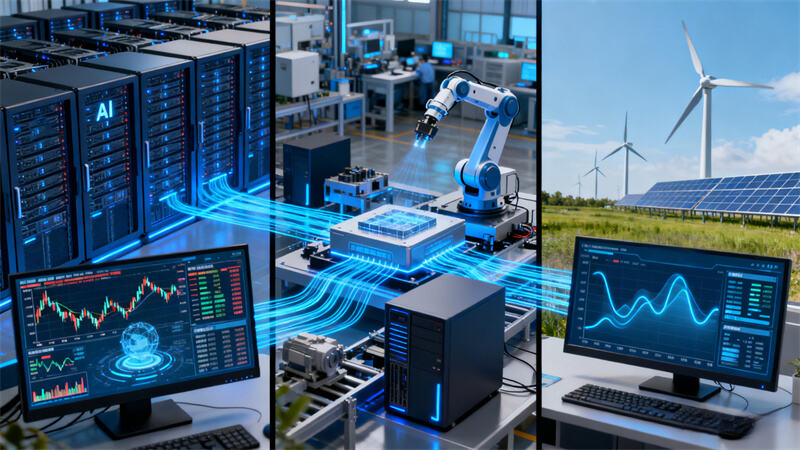
At Aethlumis, we have witnessed that the deployment of 8-GPU servers is redefining AI deployment to our customers. Finance: The systems assist banks enhance the fraud models by being able to process terabytes of transaction information in a few hours as opposed to days. They have also been applied in manufacturing where the factories utilized them to move digital twins to simulate production lines identification of bottlenecks, and optimize their utilization. Meanwhile, 8-gpu servers, being used by energy companies, could be dealing with satellite images, sensor networks and automatically forecasting infrastructure failures and renewable energy the day before they happen. On the other hand, we have these solutions to address the individual needs of each of the industries including compliance-ready security settings and green-tech-friendly custom-made design, in conjunction with other companies like HPE, Dell, and Huawei.
Aethlumis: Advantage integration and Sustainability
Deploying 8-gpu AI servers does not imply hardware but effective environment of the future. Being a system integrator, Aethlumis is a smart set of high-intensity servers, custom software layers, and secure net, and scalable storage to offer turnkey artificial intelligence solutions. Very close re- relationship with technology partners throughout the world has ensured that we get access to the latest technology after its release and our green application has established a fact that we have laid more priority over designs that are energy efficient such as liquid-cooled server set ups that consume less power and use less operating cost. Being the first consultancy to continuous services and work in the field of technology, we help business to get over the difficulties of AI infrastructure to make the work performance credible and long-lasting.

Looking Ahead
The 8-gpu AIS server development is an innovation to the more centralized, efficient, and scaled control of AI load. These systems will be the building blocks of enterprise AI strategies, since they will be capable of offering quicker insights, lowering overall cost of possession and more capable of being modified to new challenges, since models grow bigger and data volumes rise.